


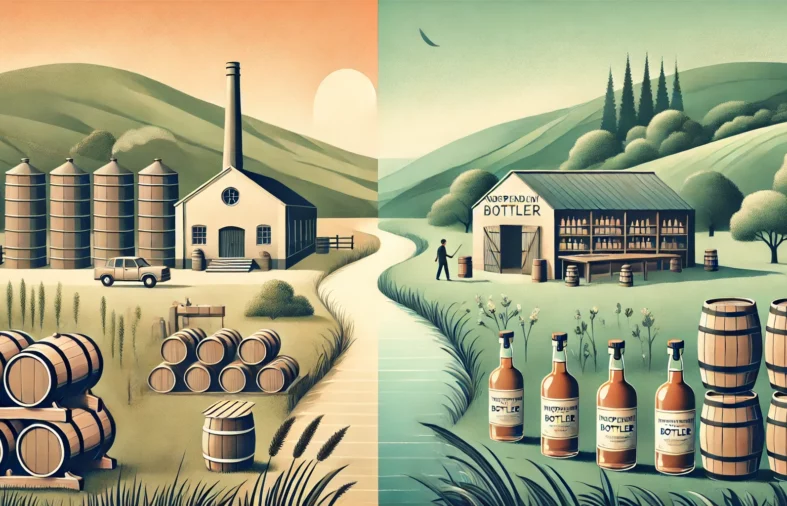

If you’re a whisky enthusiast, you’ve probably encountered the terms “distillery” and “independent bottler”. While both play pivotal roles in the whisky world, their functions and philosophies differ significantly. Understanding these differences can enhance your appreciation of the diverse offerings in the whisky market.
What is a Distillery?
A distillery is where the magic begins. This is the physical location where whisky is produced. Distilleries are responsible for every step of the production process, from mashing the grains to fermentation, distillation, maturation, and, ultimately, bottling.
Key Characteristics of a Distillery:
- Control Over the Process: Distilleries oversee every aspect of whisky production, ensuring consistency and adherence to their signature style.
- House Style: Each distillery often develops a distinct flavor profile that defines its brand. For instance, Islay distilleries are renowned for their peaty, smoky whiskies, while Speyside distilleries often produce lighter, fruitier expressions.
- Branding: The whisky produced is usually branded and marketed under the distillery’s name. Examples include Glenfiddich, Macallan, and Laphroaig.
- Volume: Distilleries can produce large quantities of whisky, catering to global markets and maintaining a consistent product line.
What is an Independent Bottler?
An independent bottler (IB), on the other hand, is a company or individual that sources whisky from distilleries and releases it under their own label. They do not typically own the distilleries but purchase casks outright or through contracts.
Key Characteristics of an Independent Bottler:
- Cask Selection: Independent bottlers focus on acquiring unique or exceptional casks that might not align with a distillery’s regular releases. This allows them to showcase rare and distinctive expressions.
- Creative Freedom: Unlike distilleries, independent bottlers can experiment with different aging techniques, cask finishes, or blending styles. This can lead to highly unique whiskies.
- Limited Releases: Most independent bottlings are small-batch or single-cask offerings, making them highly sought after by collectors and connoisseurs.
- Transparency: Many independent bottlers provide detailed information about the whisky’s origin, age, and maturation process, offering enthusiasts insights into the whisky’s journey.
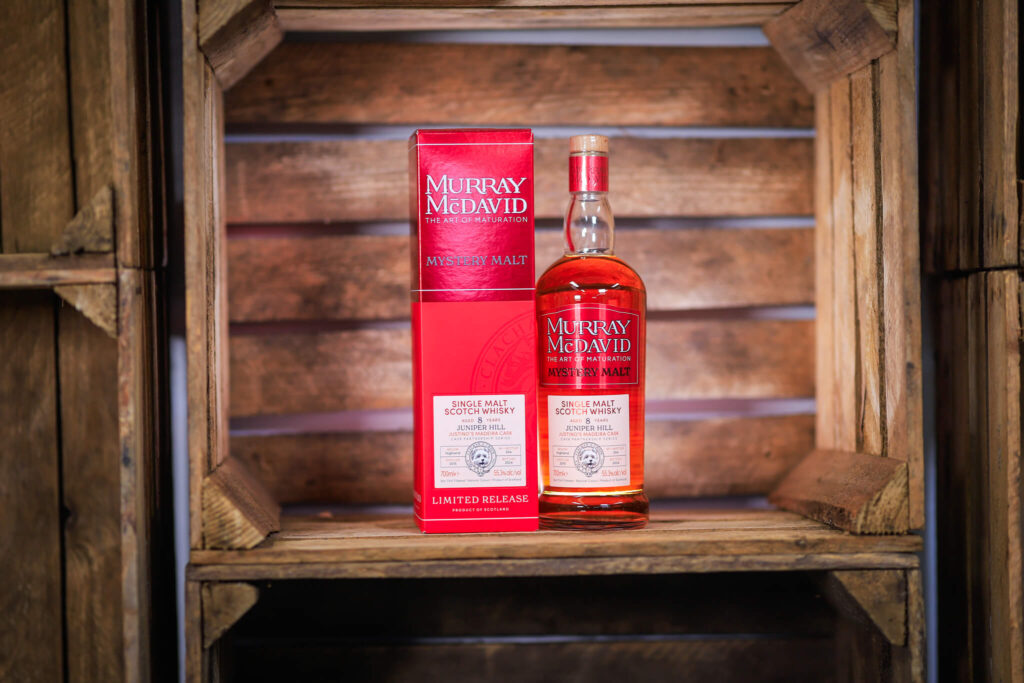
An expression of a Murray McDavid Bottling (Source: High Spirits)
How They Complement Each Other
Distilleries and independent bottlers serve different purposes but enrich the whisky landscape together. Distilleries maintain tradition and consistency, ensuring a reliable product that represents their brand. Independent bottlers, on the other hand, bring diversity and novelty, often shining a spotlight on underappreciated aspects of a distillery’s output or reviving forgotten casks.
Examples in the Industry
- Distilleries: Glenlivet, Ardbeg, Bowmore.
- Independent Bottlers: Claxton’s, Murray McDavid, Hart Brothers
Why Explore Both?
As a whisky lover, diving into both distillery-produced whiskies and independent bottlings can provide a fuller appreciation of the spirit. Distilleries offer a reliable introduction to specific styles and regions, while independent bottlers provide an adventurous exploration of uncharted flavors and rare gems.
Leave A Reply