


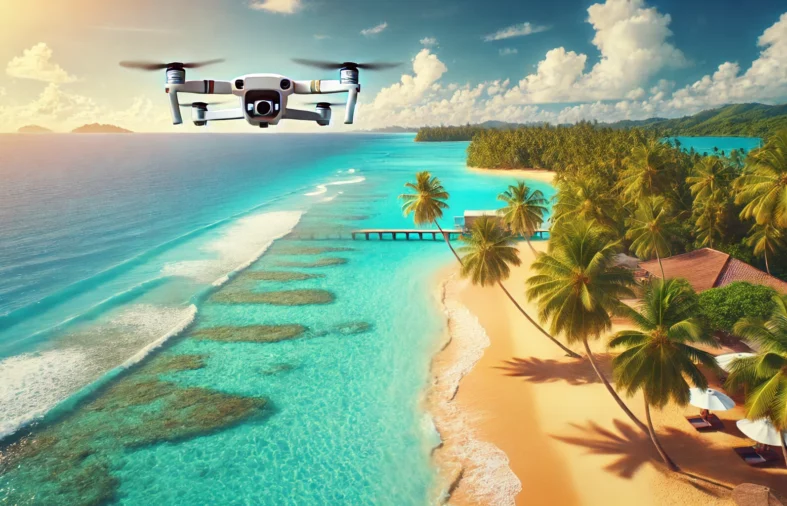

Planning to take your DJI Mini series drone on vacation? I never leave without my DJI Mini 4 Pro. With its compact size and powerful features, it’s the perfect travel companion for capturing stunning aerial footage. Whether you’re exploring bustling cities, serene beaches, or majestic mountain ranges, a drone lets you experience your destination from a whole new perspective. Imagine soaring above iconic landmarks, capturing unique angles of hidden gems, and creating cinematic memories that stand out from the usual travel photos.
A drone doesn’t just document your journey—it transforms the way you see the world. The DJI Mini series, known for its lightweight design and impressive camera capabilities, makes it easier than ever to carry this technology with you. With a bit of preparation and creativity, your drone can elevate your travel experience to unforgettable heights. Here’s a quick guide to ensure a smooth and enjoyable adventure.
Check Local Drone Laws
Before you pack your drone, research the drone regulations of your destination country. Some countries require:
- Registration: Even lightweight drones like the DJI Mini series may need to be registered.
- Licenses: A drone pilot license may be required in certain regions.
- Restricted Zones: Be aware of no-fly zones, such as airports, national parks, or military areas.
Tip: Use apps like AirMap or DJI FlySafe to check local rules.
Prepare Your Drone for Travel
Ensure your drone and accessories are packed safely:
- Batteries: Carry them in your carry-on luggage. Check airline regulations for lithium-ion batteries, typically limiting them to 100Wh.
- Protective Case: Use a sturdy, compact carrying case to avoid damage.
- Accessories: Don’t forget spare propellers, chargers, and your remote controller.
Plan Your Shots
Maximize your time by scouting locations in advance:
- Research Scenic Spots: Look for iconic landscapes, coastal areas, or urban skylines.
- Time Your Flights: Golden hours (sunrise and sunset) offer the best lighting.
- Weather Check: Avoid flying in high winds, rain, or extreme temperatures.
Tip: Practice quick setup and takeoff to capture fleeting moments. But not forget to explore new angles as well!
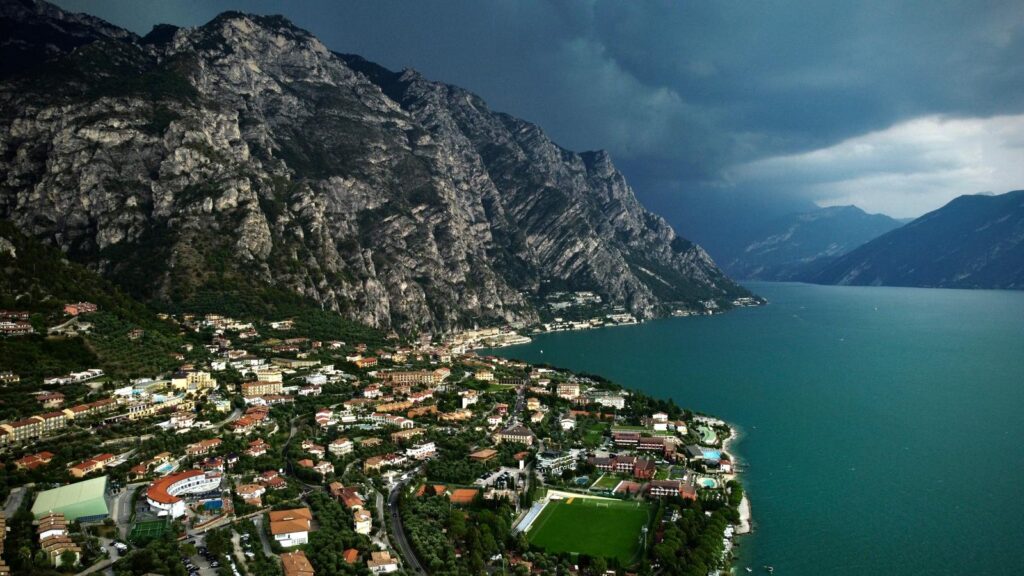
Fly Responsibly
Be mindful of safety and respect:
- People’s Privacy: Avoid flying over crowds or private properties without permission.
- Wildlife: Steer clear of animals to prevent disturbance.
- Maintain Line of Sight: Keep your drone visible at all times.
Tip: Stick to a maximum altitude of 120 meters (400 feet) to comply with most regulations.
Optimize Your Footage
Make the most of your DJI Mini’s camera:
- Settings: Adjust resolution, frame rate, and exposure for the environment.
- Filters: Use ND filters to manage bright sunlight.
- Practice: Test maneuvers like orbits or tracking shots to enhance your videos.
- Editing: Tip: Your phone does have multiple quick editing features, so you can send your pics to the family at home.
Post-Flight Care
After flying, take these steps:
- Inspect Your Drone: Check for damage to the propellers or body.
- Clean It: Remove dust, sand, or debris.
- Charge Batteries: Prepare for your next flight by recharging and storing batteries safely.
Tip: Store your drone in a cool, dry place when not in use.
Leave A Reply